
Burnout Forces You to Face Your True Priorities Now

Burnout Forces You to Face Your True Priorities Now

The sheer weight of constant performance until there is nothing left but a dull ache where motivation used to live. That feeling of being so utterly depleted that even identifying what brings genuine satisfaction feels like an impossible academic exercise. Right now, exhaustion dictates every decision, making the search for meaningful direction feel overwhelming. Anyone navigating this deep trough understands that reading generic burnout recovery tips often rings hollow because the energy required just to read is already gone. The relentless cycle of obligation, where personal values get trampled underfoot by perceived necessity, has reached a breaking point. This state strips away the noise until only the core question remains: what actually matters when everything else grinds to a halt?
Your pattern of overcommitment isn't a flaw in your character; it’s simply the wiring of what we call the Achiever archetype within this burnout recovery sphere. You are wired for external validation and constant productivity, making the sudden dip into emotional exhaustion feel like personal failure. That shame is outdated programming. Instead, view these patterns through the lens of core values assessment. This intense period forces a powerful self-discovery through exhaustion, showing you precisely where your energy leaks. Recognizing this structural wiring allows you to move past just managing symptoms and start redefining priorities after burnout. Understanding this inherent drive lets you implement effective boundaries, shifting from merely surviving stress management techniques to actively designing a life aligned with what truly fuels your sense of purpose when burned out.
The conventional view on burnout recovery tips treats it as a simple matter of rest, suggesting that more sleep and better nutrition will magically restore equilibrium. This misses the core issue entirely. Most people read the signs of professional burnout as personal failure, blaming inadequate self-care strategies when the problem lies in misalignment itself. The framework shows that true exhaustion is not merely physical; it’s a profound confrontation with neglected personal values. Where others see depletion, the lens identifies a necessary systemic breakdown forcing a reevaluation of what truly matters for work-life balance. This understanding illuminates why simple stress management techniques fail when boundaries are consistently ignored. It points instead toward deep self-discovery through exhaustion, guiding you to find purpose rather than just recovering from emotional exhaustion.
If you continue operating under the assumption that your current level of exhaustion is simply a passing trough, you risk letting the drift continue unchecked. That inertia will solidify routines built on external expectations rather than internal alignment, leaving you proficient at maintaining a life that feels increasingly hollow by necessity alone. Conversely, acknowledging what truly depletes and what genuinely restores creates an immediate pivot point. By identifying those core anchors—the activities or relationships that require your focused energy to sustain—you gain the necessary clarity to redesign your day. This isn't about adding grand gestures; it is about making small, deliberate withdrawals from obligations that do not serve you, redirecting that saved capacity toward what sustains a feeling of genuine purpose in your daily rhythm.
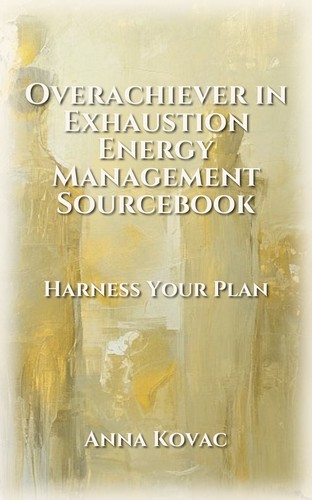
Book cover: Still chasing that alpha glow? You built your worth on output. Your capacity is more than your record shows. Claim.
You’ve hit that wall, haven't you? That moment where everything that used to feel urgent suddenly feels utterly meaningless. Here is one truth we need you to carry with you today: burnout doesn't just make you tired; it acts as a brutal, involuntary audit of your life. It strips away the performance and leaves you staring at the bare bones—the things you actually would miss if they vanished tomorrow. But that’s just the opening chapter. We also see patterns emerging around The Myth of Necessary Overcommitment, The Hidden Cost of "Should," and Decoding Emotional Exhaustion vs. Actual Grief. These insights are only visible when the system grinds to a halt, making them profoundly uncomfortable to look at right now. You have this blueprint for understanding what's beneath the exhaustion, but that map requires more than just reading; it demands an action plan you won’t find here.
You currently possess a collection of coping mechanisms—strategies to manage the exhaustion—but what you lack is the clear navigational map for rebuilding your days around what genuinely fuels you. Right now, you are managing symptoms; you are not architecting fulfillment. The distance between feeling perpetually depleted and operating with consistent energy rooted in purpose feels vast, doesn't it? You can almost picture a life where every commitment, every decision, aligns effortlessly with the values you once knew but have since let drift into background noise. Knowing this true alignment—seeing that cohesive picture of your ideal routine—is what changes everything. Imagine knowing precisely where to direct your limited reserves so that effort feels restorative rather than draining. That clarity is waiting for you on the other side of understanding your core compass points.
Explore the complete guide to reclaiming balance and discovering what truly matters by visiting transformation.press.

Frequently Asked Questions

What is the first sign that I might be heading toward burnout?

Common signs include persistent exhaustion, cynicism about your work, and feeling ineffective even when you try hard. Pay attention to changes in your usual energy levels and motivation.

How does burnout force me to confront my priorities?

When depleted, the sheer effort required to maintain old routines makes them unsustainable. This forced pause naturally highlights what activities or relationships genuinely replenish you versus those that drain you.

Is it normal to feel guilty when I start prioritizing self-care over work?

It is very common, as society often equates worth with productivity. Remember that recovery isn't a luxury; it's the necessary foundation for sustainable living.

What practical steps can I take *now* to start shifting my focus back to what matters?

Start by identifying one non-negotiable activity (like a walk or reading) that brings you peace, and schedule it like an important meeting. Gradually reduce commitments that don't align with your core values.

How long does the 'confrontation' phase of recovery usually take?

There is no set timeline; it varies greatly depending on the severity of burnout. Be patient and treat recovery as a gradual process of rebuilding, not an instant fix.