Burnout Recovery Without Time Off: Your Survival Guide Now

Burnout Recovery Without Time Off: Your Survival Guide Now


Feeling trapped because you can't afford a real break from work, leaving you constantly running on fumes—that’s where you are right now. The pressure to maintain performance while knowing that true rest isn't an option is exhausting. This constant state demands immediate attention; finding effective burnout recovery no time off isn't optional, it’s operational necessity. You need actionable ways for managing chronic stress at work without the luxury of a sabbatical. Learning preventative self-care strategies becomes less about adding things to your list and more about fundamental shifts in how you approach demanding days. The goal here is building emotional resilience while simultaneously developing sustainable productivity habits that actually fit into an already overflowing schedule, mastering work-life integration techniques right where you are planted.
Your pattern of constant output isn't a failing; it’s the defining wiring of the Mercurial archetype within the sphere of energetic flow. Instead of viewing that relentless drive as evidence of depletion, start seeing it as a highly tuned system requiring specific maintenance protocols. The natural inclination to over-give is simply how your current energy management for high-demand careers is wired. Understanding this pattern allows you to pivot from reactive crisis mode to proactive structural design. We are not talking about finding time; we are discussing building in recovery cycles that function while the wheels are spinning, offering actionable burnout recovery strategies no vacation can replicate. Mastering work-life integration techniques isn't a luxury—it’s an operational necessity for sustainable productivity habits when managing chronic stress at work.
The conventional narrative surrounding burnout recovery suggests a sabbatical, a period of blessed removal from the source of strain. Most systems treat exhaustion as an anomaly solved by absence. But that understanding misses the core dynamic entirely. The sphere framework illuminates something deeper: true healing requires immediate systemic recalibration, especially when considering burnout recovery no time off. It shows that simply taking time is insufficient; sustainable productivity habits must be woven into the daily fabric of high-demand careers. Instead of viewing self-care techniques for busy professionals as luxuries reserved for vacation, the structure identifies proactive methods like implementing preventative self-care strategies. This understanding moves beyond superficial work-life balance hacks for overcommitted people and addresses genuine emotional resilience building, proving that effective energy management for high-demand careers happens right where you are.
If you treat your current exhaustion as simply something that will eventually pass, you risk reaching a point where your capacity dips below what is required for even basic function. That persistent running on fumes leads not just to fatigue, but to decision errors in meetings and missed nuances in client interactions, eroding the professional reputation you have worked hard to build. Conversely, if you start honoring small pockets of recovery—even fifteen minutes dedicated solely to nothing—you begin establishing a sustainable baseline. This isn't about taking vacation days; it is about building micro-resilience into your daily routine. By treating rest as non-negotiable maintenance, you preserve the sharp focus needed to navigate high-demand periods without the inevitable dip in performance that burnout causes.
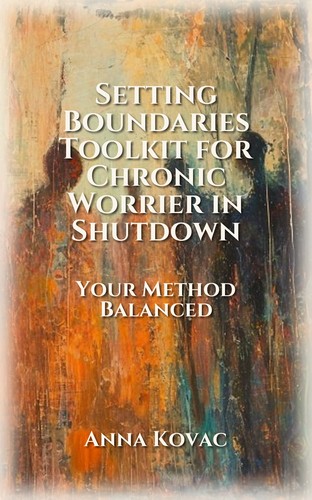
Book cover: You are profoundly over-attuned. Your vigilance was survival, not weakness. Learn to co-regulate your core self now. Own your quiet certainty.
You think recovery requires a sabbatical, right? You picture packing bags and disconnecting entirely, but what if the most powerful reset happens while you’re still clocked in? The immediate truth to grasp is that micro-boundary enforcement—the conscious refusal of one small, non-essential request per day—is often more restorative than any planned escape. It proves to your nervous system, moment by moment, that you are in charge of your bandwidth, even when the demands around you suggest otherwise. If that feels too subtle, know there are deeper patterns at play waiting for you to uncover, such as The Myth of Peak Productivity, The Hidden Cost of "Yes," and Analyzing Your Energy Debt Cycles. Keep reading if you’re ready to see how these patterns actually manifest in your daily workflow.
Right now, you feel perpetually drained, caught in the cycle where rest is a luxury you simply cannot afford to claim. You see the possibility of operating at sustainable capacity, of rebuilding reserves without hitting the emergency stop button, but that clarity feels distant. What you lack is a precise framework for fortifying your energy sources while remaining fully engaged in your current demands. Imagine having the exact blueprint for maintaining high output day after exhausting day, knowing precisely where to apply pressure and where to build necessary structural resilience within your existing schedule. Picture understanding how to actively manage depletion so that recovery becomes an integrated part of your daily routine, rather than an impossible vacation goal. Getting this full picture means finally seeing a path forward that respects both your ambition and your finite energy budget.
Build your sustainable recovery plan now by visiting the complete guide at transformation.press.

Frequently Asked Questions

What are some immediate, low-cost ways to de-stress when I can't take a vacation?

Try implementing 'micro-breaks' throughout your day—even 5 minutes of deep breathing or walking outside helps reset your nervous system. Establishing strict boundaries around work hours is crucial for creating mental space.

How can I build better boundaries with demanding colleagues or managers without causing conflict?

Start by communicating proactively about your capacity; use phrases like, 'I can take that on, but to do it well, I'll need to de-prioritize X.' This frames it as resource management, not refusal.

If my job is the source of burnout, what are actionable steps for recovery while still employed?

Focus on reclaiming control over your schedule and tasks. Identify one area where you can automate or delegate, even if it feels small, to rebuild a sense of agency.

What non-time-consuming hobbies can help me reconnect with joy when I feel depleted?

Focus on activities that require presence rather than achievement, such as mindful walking, listening to music without distraction, or simple gardening. The goal is enjoyment, not productivity.

How do I convince myself that 'rest' isn't a luxury I can't afford right now?

View rest as essential maintenance for your most important asset: your brain. Treating it as necessary preventative care is more accurate than viewing it as an optional reward.