
Shadow Work: Own Those Childhood Flaws You Were Punished For

Shadow Work: Own Those Childhood Flaws You Were Punished For

Wrestling with why the very things you were criticized for as a kid are now the parts of you that feel entirely out of control; this constant loop is exhausting. The pattern is clear: those sharp edges from parental criticism echo into adulthood, manifesting in your most unpredictable moments. It feels like every time you try to build something stable, some unacknowledged emotion surfaces, demanding attention through a familiar, flawed behavior. This deep connection between childhood trauma and the shadow self makes understanding necessary work. Understanding the roots of this pattern requires confronting that material head-on—it’s the core challenge of effective childhood trauma shadow work. Recognizing these repressed behaviors isn't about blame; it’s about mapping the terrain of your emotional wounds toward true self-acceptance.
Your pattern of reacting defensively when criticized isn't a flaw; it’s simply the deeply ingrained circuitry established during times of intense scrutiny. In shadow work, we see this as a predictable response wired by early experiences with parental criticism. Instead of viewing these reactions as evidence of personal failure, recognize them as survival mechanisms perfected in childhood trauma. Your specific wiring within the sphere of understanding suppressed emotions from childhood manifests as hypervigilance—a necessary shield you constructed when emotional wounds felt unsafe. The goal isn't to erase that defense; it’s about seeing it for what it is: a highly functional, albeit outdated, operating system. Understanding this structure allows you to begin reclaiming rejected childhood traits and integrate difficult childhood experiences into your adult personality with conscious self-acceptance.
The conventional narrative suggests that enduring childhood trauma means simply overcoming it through sheer force of will, ignoring the deeper currents at play. Most people misread this pattern as a simple deficit in coping mechanisms, missing the systemic way these painful experiences shape the self. But psychology shows something far more intricate. The sphere framework illuminates how those traits you were punished for—the very ones that fueled your earliest survival strategies—become deeply embedded aspects of your shadow self. It helps illuminate understanding suppressed emotions from childhood and recognizing repressed behaviors as echoes of parental criticism. When others dismiss these difficult patterns, the lens provided by this structure validates what was always true: that integrating difficult childhood experiences is central to genuine psychological development. This finally lets you connect with deep self-acceptance regarding your emotional wounds.
If you continue to treat these ingrained reactions as flaws, they will simply become the default operating system for your relationships. You might find yourself repeatedly caught in patterns that feel exhausting, making genuine connection predictably difficult because you are reacting from old scripts rather than present awareness. Ignoring this dynamic means accepting a persistent level of friction in your personal life. However, recognizing that these traits were adaptations to past discomfort allows something different to emerge. When you see them not as defects but as survival tools from another time, you gain the space to choose a different response today. This recognition provides a pathway toward self-mastery, allowing those intense energies to fuel boundaries and authentic assertion instead of repeating old hurts.
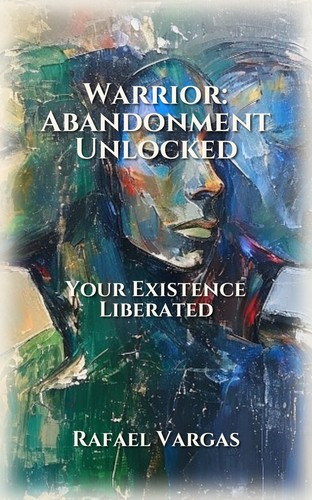
Book cover: You expect the worst. You are a protector who mistakes guarding for living. Your fight response is not your whole story. Own your might.
You’re realizing that those traits you were harshly corrected for as a child—the defiance, the intense need for validation, maybe even the obsessive focus on details—aren't flaws waiting to be purged. They are highly specialized survival mechanisms that your younger self perfected when safety wasn't guaranteed. The key realization is this: what felt like unacceptable behavior then was actually resourceful adaptation in an environment that lacked adequate emotional vocabulary. You didn’t develop bad habits; you developed effective coping strategies for scarcity. If you keep treating them as deficits, you will perpetually feel the need to prove yourself worthy of acceptance. However, there are deeper patterns at play here, ones that require a different kind of excavation. Consider examining The Architecture of Abandonment Guilt, The Echo Effect of Unmet Scarcity Signals, and The Myth of the Self-Sufficient Inner Critic. This diagnosis is merely pointing out where the pressure points are; understanding how to redirect that energy takes some dedicated work.
You have a deep understanding of where certain behaviors come from, but what you are missing is the map that shows how those very traits—the ones others used to critique or punish—can be reframed as core strengths. Right now, you see them as evidence of past failings, holding yourself back with internalized critiques. What you genuinely want is the framework that reveals the inherent power within those perceived flaws. You are ready to connect the dots between historical pain and present capability. Imagining the full picture means seeing not a collection of weaknesses to be managed, but a unique architecture of resilience waiting to be recognized. Knowing this connection gives you something much more valuable than just coping mechanisms; it grants you self-authorship over your own narrative.
See how to deepen this understanding and integrate those patterns by visiting the complete guide now at transformation.press

Frequently Asked Questions

What exactly is 'shadow work' in this context?

Shadow work is the process of acknowledging and integrating the parts of yourself—the traits, emotions, or behaviors—that you have repressed or deemed unacceptable due to criticism or punishment in childhood.

Why do I tend to repeat negative patterns from my childhood?

These patterns are often unconscious coping mechanisms learned when those behaviors were necessary for survival or acceptance within your family system. They feel familiar, even if they are unhealthy.

Are these 'punished' traits inherently bad?

No; the trait itself isn't bad, but rather the *judgment* placed upon it by others that caused you to reject it. The goal is to reclaim its inherent energy.

How do I start identifying my 'shadow traits'?

Start by noticing what behaviors or emotions in other people trigger a strong, disproportionate negative reaction from you; these are often projections of your own unacknowledged shadow material.

What is the ultimate goal of integrating my shadow?

The goal is not to act out those traits, but to accept them fully as part of your authentic self, thereby reducing their unconscious power over your life choices and relationships.