
High Achiever Burnout? Learn to Master Saying No Now

High Achiever Burnout? Learn to Master Saying No Now
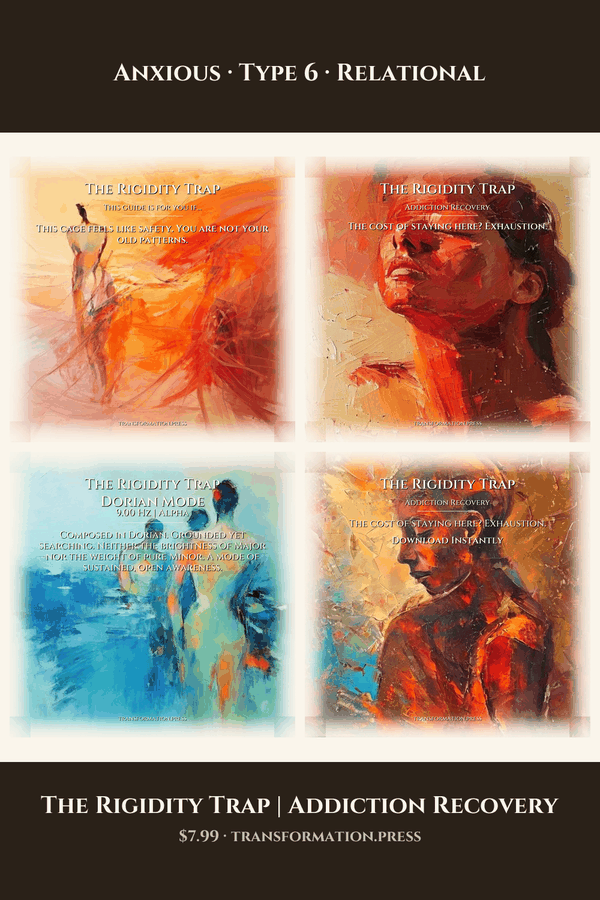
The constant 'yes' until there is nothing left for yourself—that exhaustion that settles deep into your bones because every request feels too important to decline. It’s a pattern rooted in believing that saying no equals disappointing someone, and watching the mounting evidence of overcommitment consequences pile up until you hit burnout prevention emergency mode. This struggle defines much of what we call boundary setting for high performers. Perfectionism pitfalls keep the calendar full, leaving zero margin for actual rest. Recognizing these subtle signs of high achiever burnout is step one; acknowledging the pattern of always fitting everyone else’s needs before your own is next. It requires seeing that effective boundary setting techniques are not about rejection, but about sustainable performance and finally prioritizing self-compassion in achievement.
Your pattern of always saying yes is not a character flaw; it’s simply how your Chart Ruler expresses its need for validation within the structure of boundary_setting. In this sphere, we see this wiring as an over-indexing on external affirmation, leading to chronic overcommitment consequences rather than true connection. Instead of viewing this compulsion with shame, recognize it as a highly tuned system designed for inclusion, which is precisely what causes the exhaustion you feel when your cup runs dry. Understanding these underlying dynamics allows you to shift from reacting out of fear of rejection to proactively building boundaries for top performers. Recognizing signs of burnout in high performers begins by mapping this wiring and installing self-compassion in achievement as a primary operating principle.
The general consensus misses a critical pattern regarding boundary setting for high performers. Most simply label it as poor time management or weak discipline, attributing the inevitable collapse to simple willpower failure. They see overcommitment consequences and suggest more hustle, completely missing the underlying dynamic. Instead, the sphere framework illuminates that this isn't about saying no; it’s about structural misalignment in self-worth tied to external validation. The framework shows that what appears to be perfectionism pitfalls is actually a deep misunderstanding of personal capacity. You are not failing at work-life balance strategies because you lack grit. Rather, the pattern identifies a fundamental gap in understanding boundaries for top performers—a need for deeper boundary setting techniques rooted in self-compassion in achievement. Now you see that this knowledge allows you to navigate burnout prevention with precision others cannot perceive.
If you continue agreeing to every request out of a fear of disappointing others, you are effectively depleting your operational reserves. Each commitment you accept without vetting its necessity chips away at your focus capacity, leaving you with little genuine bandwidth for the work that truly matters or for necessary recovery. This pattern leads not just to exhaustion, but to a tangible dip in the quality and consistency of your best output. Conversely, honoring your boundaries means establishing clear parameters around your time and energy. When you learn to decline politely but firmly, you signal value—value in your expertise, and more importantly, value in your capacity. This allows you to dedicate focused attention only where it yields the highest professional return, sustaining peak performance without reaching a breaking point.
Book cover: This cage feels like safety. You are not your old patterns. Your true self moves beyond extremes. Try this one thing now.
You think that constant agreement signals reliability, but what you’re actually building is an invisible scaffold of obligation that will eventually buckle under its own weight. The core problem with always saying yes isn't a lack of capacity; it's a subtle confusion between being helpful and being necessary. You mistake the temporary relief of immediate praise for sustainable value. Keep paying attention, because you haven’t seen the pattern emerging around cognitive load management or the hidden cost of perceived agreement. There are others waiting in the wings: The diminishing return curve of obligation debt, recognizing 'No' as a high-leverage currency, and the distinction between boundary maintenance and self-sabotage. This is just the glimpse; understanding how to actually deploy these insights requires digging deeper.
Right now, you feel that constant pressure to say yes, even when every fiber of your being is screaming for a pause. You are operating on borrowed capacity, managing commitments until the tank hits empty and everything grinds to a halt. What you lack isn't just better time management; it’s the internal architecture of refusal—the quiet certainty that allows you to defend your focus without apology or guilt. Imagine knowing precisely where your personal limits lie and how to communicate those invisible lines with unwavering authority. Picture having the full picture: a sustainable rhythm where high output doesn't necessitate running on fumes. That clear understanding of where your energy truly belongs, divorced from obligation, is what separates consistent peak performance from spectacular burnout.
To build stronger boundaries and prevent burnout like this, go to the complete guide at transformation.press

Frequently Asked Questions

What is the core problem with constantly saying 'yes' to everything?

Constantly agreeing leads to overcommitment, which depletes mental and emotional energy. This lack of boundaries prevents necessary recovery time for high performers.

Is setting boundaries selfish, especially in a professional setting?

No, setting boundaries is self-preservation; it ensures you can perform at your best sustainably rather than burning out completely.

What are some practical ways to start saying 'no' without damaging relationships?

Try using phrases like, 'I can't take that on right now, but I might be able to help with X next week,' which offers an alternative.

What are the signs that a high performer is approaching burnout due to overcommitment?

Look out for increased irritability, decreased focus, persistent fatigue despite rest, and cynicism about work or goals.

How can I regain my boundaries after periods of saying 'yes' too much?

Start small by declining a low-stakes request first. Practice acknowledging your capacity limits before accepting new tasks.