Shadow Horse Heartache: Escape Loneliness With These Truths

Shadow Horse Heartache: Escape Loneliness With These Truths

Feeling like your desire for freedom is constantly undermined by the emotional weight of your own justifications—that’s the core rhythm you recognize. The pattern plays out: a craving for boundless space followed immediately by the gnawing awareness that this pursuit echoes into intense horse zodiac loneliness. This specific ache, where the very need for autonomy breeds deep-seated solitude, is recognizable to you. You are acutely aware of the tension between the spirit of the Chinese zodiac horse and the reality of emotional isolation within interpersonal relationships. Every time a boundary feels necessary, it carries the potential cost of deeper self-discovery journey moments that feel more like profound loneliness. These life path struggles aren't about fixing anything external; they’re about mapping where your need for freedom intersects with unavoidable emotional weight.
Your pattern of feeling lonely despite your inherent need for open space isn't a flaw in your character; it’s the signature wiring of the Shadow Horse type within the Chinese zodiac framework. You mistake the absence of external anchors for true self-sufficiency, leading to that emotional void after achieving freedom. This deep understanding is key to personal growth challenges. Instead of viewing this desire for distance as proof of emotional struggles, recognize it as a powerful indicator: your spirit demands expansive autonomy. Mastering this means shifting from equating independence with solitude to understanding that genuine connection thrives when built upon the foundation of self-possession. Your instinct to retreat isn't weakness; it’s the necessary calibration point before you build bridges to deeper interpersonal relationships.
The conventional understanding of the Chinese zodiac horse suggests an innate spirit unbound by earthly ties, equating boundless energy with perpetual happiness. Most people mistake this powerful drive for effortless belonging, failing to grasp the deeper currents beneath the surface. They see independence; they miss the underlying vacuum. The Sphere framework illuminates something far more nuanced. It identifies that for the horse zodiac sign, achieving freedom often crystallizes into a profound emotional isolation. This shadow type analysis explains why the very pursuit of self-discovery journey can trigger intense feelings of emptiness. Others read this as mere restlessness, yet the pattern points to an unresolved core tension regarding interpersonal relationships. The framework shows that true understanding requires acknowledging how the need for absolute autonomy can paradoxically manifest as a deep yearning for connection—a complex dance between freedom vs loneliness inherent in navigating life path struggles.
If you continue to use elaborate excuses to maintain your solitary space, you risk finding that independence curdles into a persistent quietude. The freedom you champion then becomes a predictable echo chamber, where the lack of genuine give-and-take starts to feel less like choice and more like habit, leaving you with polished solitude rather than vibrant self-possession. Conversely, by acknowledging the real needs beneath the justification, you build a foundation capable of sustaining connection. This recognition allows you to approach relationships not from a place of needing escape, but from a place of genuine presence. The result is a capacity for intimacy that feels earned and expansive, allowing your desire for open space to harmonize with shared life without compromise.
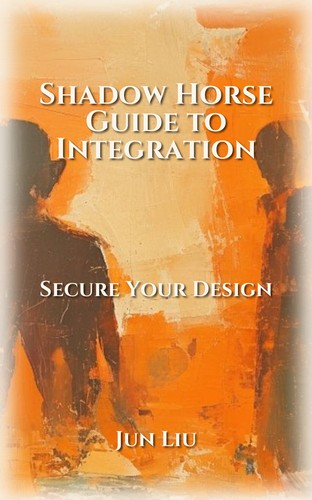
Book cover: You feel the wild urge. You are a free-spirited soul needing to integrate what you avoid. Your drive isn
You might find that the very impulse that fuels your need for boundless horizons—that characteristic fire of the Shadow Horse—is what ultimately creates the quiet corners where you feel most adrift. The truth is, needing freedom isn't the same as having genuine connection; it’s a constant negotiation between wanting to fly and landing somewhere solid enough to stay. But understand this: that restless energy doesn't dissipate just because you find a new backdrop for your adventures. It changes its shape, often settling into an unexpected ache when the applause dies down. Keep watching how that initial burst of independence begins to feel suspiciously like isolation. You should also pay attention to The Pattern of Borrowed Identity and The Resonance Between Unscheduled Time and Self-Doubt.
You recognize the sharp, exhilarating feeling of being unbound—that wild spirit that demands open skies and endless possibility. But there is a quiet friction underneath that freedom, isn't there? You feel it when the spontaneous energy hits a wall, leaving you with an echo chamber instead of genuine resonance. What you don’t yet possess is the precise map for translating that boundless independence into sustainable intimacy. Right now, your self-imposed excuses are doing more than protecting you; they are creating distance between who you are and what actually sustains you in deep connection. Picture having a clear understanding of how to honor that spirited need without letting it default into isolation. Seeing the full picture would show you the difference between necessary space and self-sabotaging solitude.
Find clarity on navigating these emotional currents and finding true connection by exploring the transformation.press guide on understanding your zodiac shadow types.

Frequently Asked Questions

What does 'Shadow Horse' refer to in Chinese Zodiac astrology?

The Shadow Horse likely refers to a personality archetype associated with the Year of the Horse, suggesting themes of freedom and independence within a shadow aspect.

How can the desire for freedom lead to loneliness for someone with this profile?

Constantly needing space or avoiding commitment can inadvertently push people away, leading them to feel isolated even when surrounded by others.

What are 'better excuses' in this context? Are they negative?

These refer to justifications or reasons used to maintain distance or avoid emotional vulnerability, which can mask deeper needs for connection.

How can I balance my need for freedom with forming deep connections?

The key is learning self-awareness: recognizing when your need for space is genuine rest versus a fear of intimacy that pushes people away.

What kind of relationships are best suited for someone who struggles with this pattern?

Relationships built on mutual respect for autonomy and open communication, rather than intense merging, tend to work best.