Know Your Limits Now Before Life Forces You To

Know Your Limits Now Before Life Forces You To
Feeling blindsided when someone crosses a line you didn't even realize was important until it happened—that hollow ache of having been overlooked. The pattern is clear: waiting for conflict to map out what matters most. You find yourself reacting, scrambling to build up the necessary assertiveness skills in the heat of the moment, rather than proactively defining your personal boundaries when things are quiet. This constant state of reaction drains you, forcing a reactive approach to every relationship dynamic. It’s time to stop treating this as damage control. The goal isn't just managing others; it's knowing how to identify non-negotiables before the inevitable situation forces the issue. True self-awareness starts with a needs assessment that doesn't wait for someone else to point out what you lack.
Understanding your natural inclination to absorb others' needs is not a flaw in your wiring; it is simply how your current energetic blueprint operates within the sphere of personal boundaries. Instead of viewing this tendency as something you must fix, see it through the lens of the Emotional Intelligence wheel. Your pattern suggests a high capacity for empathy, which manifests outwardly as difficulty establishing personal limits before conflict arises. This isn't weakness; it’s an overdeveloped relational antenna. The key is translating that sensitivity into proactive self-awareness by identifying core values for self-respect. Think of this not as resisting others, but as recognizing the precise moment you need to apply preventative boundary setting techniques to safeguard your energy reserves and truly own what are my dealbreakers in relationships.
Most people treat personal boundaries as an emergency measure, something you only implement after a relationship dynamic has already caused damage. They wait until the pressure mounts to even consider defining personal boundaries proactively. The conventional wisdom suggests that strong assertiveness skills are learned reactively, in the heat of the moment. However, the sphere framework shows this is a profound misunderstanding of self-respect. This system illuminates that true emotional intelligence begins with identifying non-negotiables long before conflict strikes. It offers the precise lens through which one can conduct a deep needs assessment, moving beyond mere coping mechanisms. When you understand what are your dealbreakers in relationships by applying this structure, understanding your core values for self-respect becomes systematic rather than sporadic. This knowledge allows you to establish personal limits before conflict even has a chance to form.
If you wait until a boundary is crossed before naming it, the cost is immediate depletion of your reserves. You spend emotional energy reacting to an event—the disappointment, the defensiveness, the necessary confrontation—instead of directing it toward what genuinely replenishes you. That reactive state leaves you feeling drained and perpetually surprised by others' actions. Conversely, identifying these lines beforehand shifts your posture from defense to design. When you know where your limits lie, saying no becomes a simple statement of fact about your schedule or capacity, not an apology for inconvenience. You begin managing the flow of your time with intention, ensuring that every commitment made aligns with what sustains you rather than what merely fills available space until nothing remains.
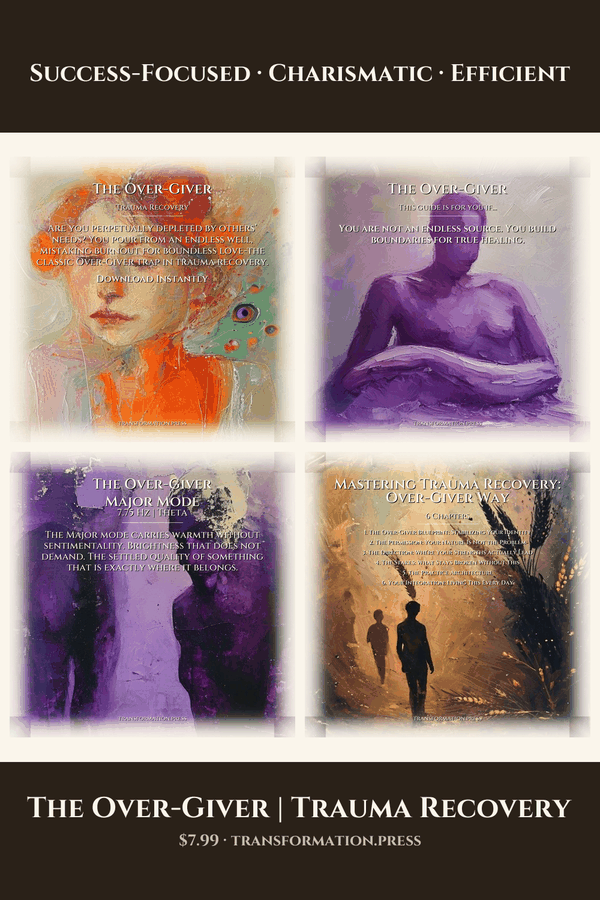
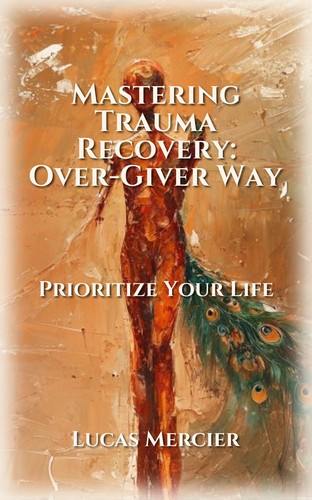
Book cover: You are not an endless source. You build boundaries for true healing. Stop sacrificing your core spirit. Build.
If you wait for a boundary violation to finally pinpoint what matters most, you’ve already lost valuable time and emotional energy. The real breakthrough comes when you stop treating your boundaries like reactive shields and start seeing them as proactive architectural blueprints; identifying your non-negotiables before the crisis is the only way to build resilience instead of just patching leaks. But there are deeper patterns at play here that you haven't even encountered yet. You should pay attention to The Energy Debt Signal, the Concept of Proxy Agreements, and recognizing Situational Default Settings. Take a moment to sit with those titles. They represent shifts in understanding that move far beyond simple 'yes' or 'no' answers when people start asking you to redefine what truly deserves your time.
You currently possess an instinct for what feels wrong in a relationship or commitment, but you lack the precise language to articulate exactly where your personal limits lie. You don't yet have a clear map of your non-negotiables—the bedrock principles that, when violated, signal that something fundamental is at risk. Right now, you are reacting; you wait until the drain on your time or energy feels overwhelming before scrambling for a response. Imagine instead having instant clarity: knowing precisely what you will and will not accept before any difficult conversation even begins. This understanding allows you to build a proactive shield around your most valuable resources. To see the full picture of how solidifying these personal guardrails changes everything, look into our comprehensive guide at transformation.press.
Solidify those boundaries now. Review the complete guide to identifying your non-negotiables at transformation.press

Frequently Asked Questions

What are 'non-negotiables' in the context of personal boundaries?

Non-negotiables are core values, needs, or limits that you absolutely will not compromise on for your own well-being. They represent what you need to feel safe, respected, and whole.

How can I start identifying my non-negotiables if I don't know where to begin?

Start by reflecting on times when you felt deeply drained or resentful; those moments often point directly to a boundary that was crossed. Journaling about these feelings is a great starting point.

What happens if I identify non-negotiables but struggle to enforce them?

Enforcing boundaries takes practice and can feel uncomfortable initially. Start by communicating your needs calmly, using 'I' statements, rather than waiting for a crisis point.

Are my non-negotiables static, or can they change as I grow?

Your boundaries are fluid and evolve with your life stages and experiences. It’s normal to revisit and adjust what you consider essential over time.

How do I communicate a new non-negotiable boundary without damaging relationships?

Approach conversations with empathy, focusing on 'what I need' rather than 'what you did wrong.' Frame it as self-care necessary for the relationship to remain healthy.